Book daylight, ask for a clean, dry car and a cold engine, and agree the test drive before travelling. If any of those conditions cannot be met, decide what you will need to check on a second visit. A torch and a diagnostic scanner are useful. Neither creates an extra hour of daylight.
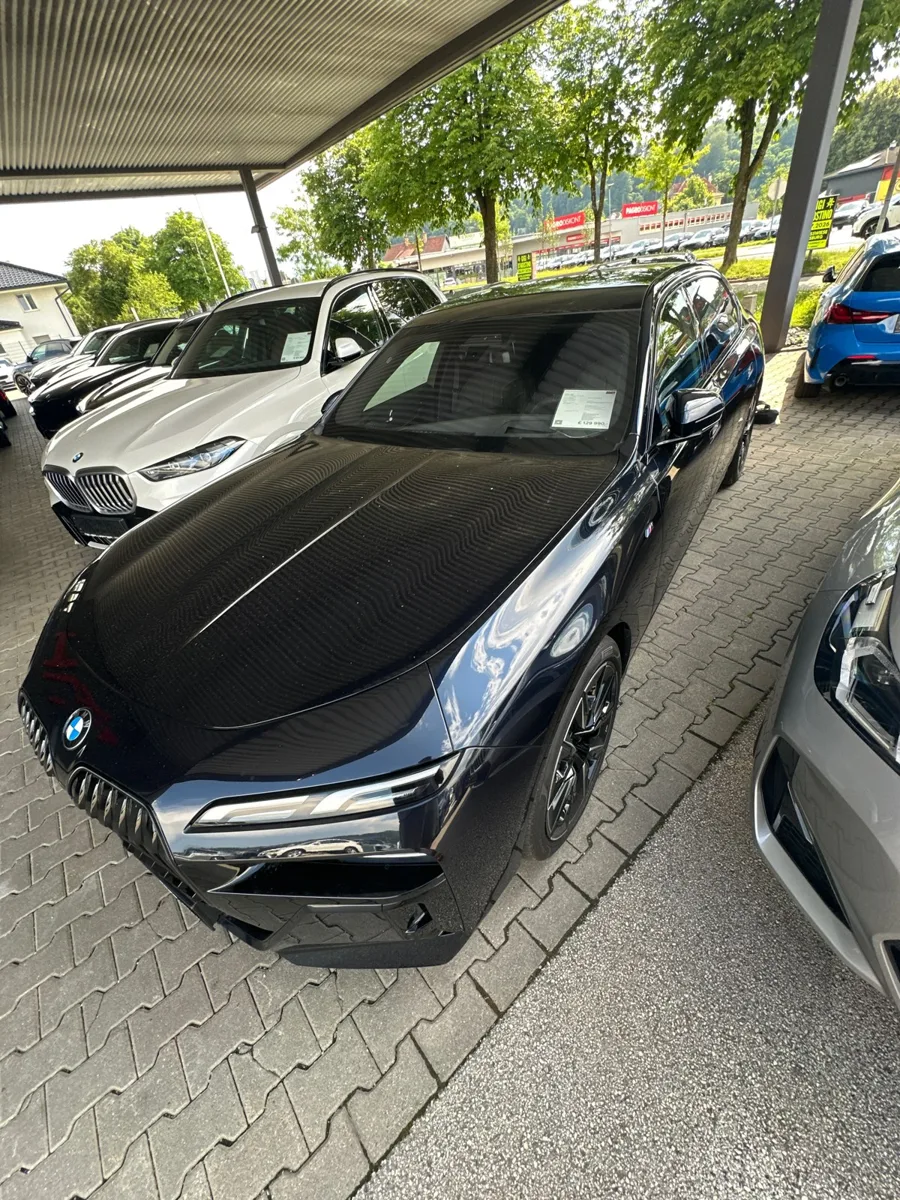
An autumn viewing is easily squeezed between work and dinner. By the time you reach the dealer, the dark blue car is black, the silver car is grey and every bonnet has an attractive layer of water on it. There is still enough light to fall for the specification. There may not be enough to judge the paint.
You do not need to wait until spring. You need to stop treating the conditions of the viewing as something the seller gets to arrange entirely for you.
01 / What you can see
Ask for a wash. Then let the car dry.
Water and dirt make fine scratches, polishing marks and differences in the finish harder to assess. A covered viewing area helps with the weather, but a cramped bay under uneven lighting still limits which surfaces you can see. Leave room to walk around the car and look along both sides from more than one angle.
On a year-old BMW 740d from Sixt’s rental fleet, the question was how rental use had treated a car with just 4,000 km. Diagnostics found no faults. That was useful information about the systems scanned; it said very little about the condition of the bodywork, wheels and cabin.
The dealer had helpfully decided not to wash it. We examined the surfaces, measured the paint and recorded the cosmetic marks. The issues were minor and could be addressed with polishing. The client negotiated and bought the car. There was no need to turn a few marks into a catastrophe. There was every reason to show him the marks before he paid.
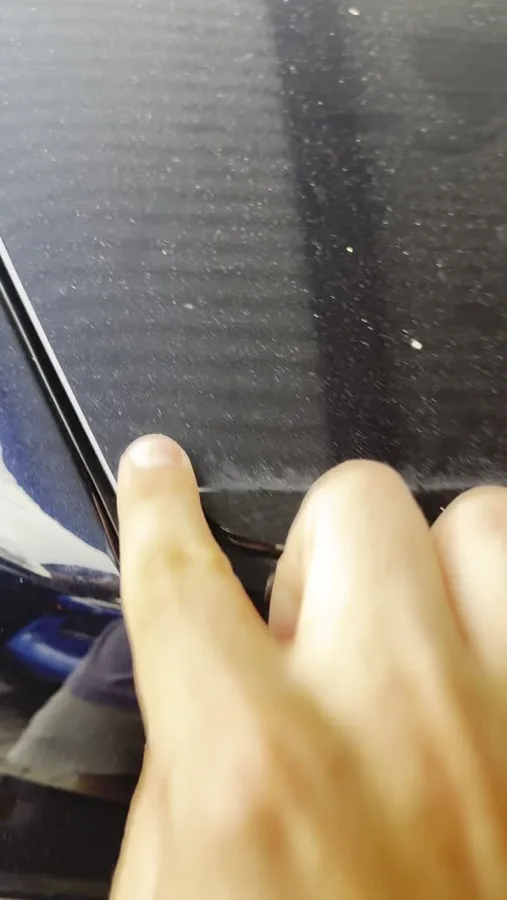
A paint reading needs neighbouring readings.
Use a suitable gauge on appropriate metal panels and compare results across the car. A single number does not establish accident history, repair quality or structural condition. Plastic bumpers and composite panels require a different approach.
Our Focus report records repainted panels alongside the other findings. It also records what remained outstanding, including the road test and history confirmations. That distinction matters more than a dramatic photograph of the gauge.
Read the actual Focus web report →02 / Before somebody starts it
“Cold start” means before the engine has warmed up.
Ask the seller to leave the engine unstarted before your appointment. On arrival, establish whether it has already run; coolant temperature in live diagnostic data can help, though it is not the whole engine’s history. A car moved across the forecourt five minutes ago has already lost part of the first-start evidence.
Watch how it starts, how the idle settles, which warnings remain and whether there are unusual noises. White vapour on a cold morning can be condensation. Persistent smoke, rough running or a warning light needs investigation in context. Neither a clean exhaust for ten seconds nor one alarming puff is a complete diagnosis.
Then check the things you will use on the way home: cabin heat, blower speeds, front and rear demisting, lights, washers and wipers. Lift accessible boot-floor panels and check carpets for dampness. A wet mat can have an innocent explanation; moisture underneath needs an explanation you can verify. Do not settle the question with an air freshener.
For an EV, agree the state of charge and available battery evidence instead of asking for an engine cold start. For a hybrid, check how both parts of the drivetrain operate. A dashboard range estimate is not a battery-capacity test.
03 / Off the forecourt
Leave time to drive it after it warms up.
A loop around a packed dealership tells you that the car can move around a packed dealership. Agree a legal, insured road test with a route that allows ordinary driving at different speeds, junctions, parking manoeuvres and enough running time to observe it warm.
Listen for suspension noise, assess steering, braking and transmission behaviour, and watch for warnings as operating conditions change. On a wet road, keep the driving within the available grip. You are inspecting a purchase, not auditioning for a tyre advert.
If darkness, traffic or weather prevents part of the assessment, write down the gap and arrange another opportunity. A seller refusing a drive is a different problem from rain making today’s route unsuitable. Both leave road behaviour unverified.
On the BMW i8 Roadster we inspected, the dealer did not permit a test drive and we could not obtain a usable traction-battery health result. The next steps were a road test, a BMW battery report and confirmation of promised repairs. A long list of stationary checks did not remove those conditions.
04 / The first bill after purchase
Find out what “winter wheels included” includes.
Ask for photographs of all four wheels, tyre sizes and markings, tread measurements and date codes. At the viewing, check the set itself: uneven wear, sidewall damage, wheel condition and compatibility with the car. Four wheels stacked behind a garage are not yet four usable wheels for your purchase.
Put the included set in the contract. If it needs replacement, mounting, balancing or tyre-pressure sensors, obtain a quote for this car before agreeing the price. A large premium saloon can look surprisingly affordable until you shop for its tyres.
Before you travel
Send the seller these five questions.
- Can we view the car in daylight, clean and dry, with space to inspect both sides?
- Can you leave the engine unstarted before the appointment?
- Can we take a road test, and what are the insurance arrangements?
- Which wheels and tyres come with the car? Please send photographs, sizes and tread measurements.
- Can you have the original vehicle documents, service evidence and inspection reports ready?
If the answers leave important checks impossible, change the appointment or make a second visit part of the plan. Check the seller and documents too: good weather does not improve a bad contract. Our Austrian buying guide covers the purchase sequence; the advert guide explains the German phrases worth questioning before you go.